
Why Barefoot Play Is Essential for Your Toddler`s Development: Benefits for Feet, Balance and Coordination
For generations, children naturally spent much of their time barefoot. They explored gardens, walked across grass, played in sand, and climbed over uneven surfaces while their feet adapted to different environments.
Today, many toddlers spend far more time indoors and wearing structured shoes, meaning they have fewer opportunities to experience the variety of movement and sensory feedback that barefoot play provides.
Barefoot play is not simply about letting children take their shoes off. It is about giving their feet and bodies the opportunity to move naturally, develop strength, and understand the world around them.
From improving balance and coordination to supporting foot strength and sensory development, barefoot play can be an important part of a toddler’s healthy physical development.
For parents wondering about barefoot play for toddlers, the key question is not whether children should always go barefoot, but how we can create safe opportunities for natural movement as part of everyday life.
Contents
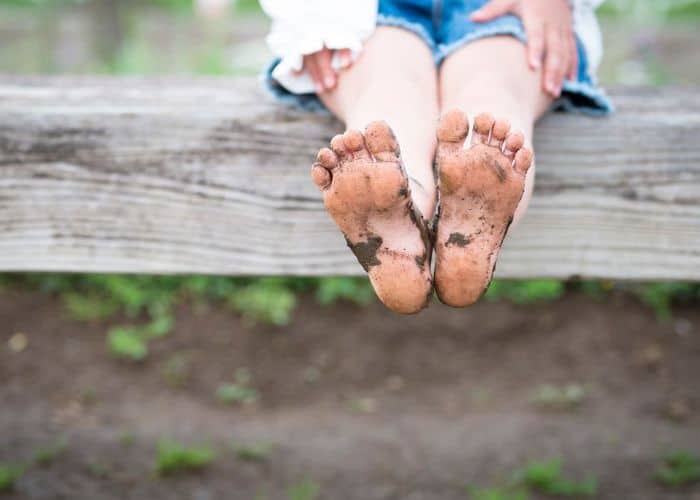
Why Are Toddlers' Feet So Important for Development?
A toddler’s feet are much more than a foundation for walking. They contain thousands of sensory receptors that provide important information to the brain about movement, pressure, balance, and body position.
Every time a child walks across a different surface, their feet send signals that help their brain understand how to adjust their movements.
This connection between the feet, nervous system, and movement is known as proprioception.
Proprioception helps children understand:
- Where their body is in space
- How much force to use during movement
- How to maintain balance
- How to coordinate different movements
During early childhood, these skills develop through experience. The more opportunities toddlers have to move, explore, and adapt to different surfaces, the more they learn about controlling their bodies.
According to the NHS Start for Life programme, physical activity and active play support children’s development by helping them build movement skills, coordination, and confidence.
How Barefoot Play Supports Foot Strength?
Many parents worry about their child’s feet developing correctly, especially when they notice differences in foot shape or walking patterns.
One common concern is flat feet.
It is important to understand that flat feet are very common in young children. Many toddlers naturally have flatter-looking feet because their arches are still developing. In many cases, children’s arches gradually become more noticeable as their muscles strengthen and their bodies mature.
However, providing opportunities for natural movement can support healthy foot development.
Walking barefoot allows children to use the small muscles in their feet more actively compared with walking in rigid footwear. Their toes can spread naturally, their feet can adapt to different surfaces, and their muscles can work to maintain stability.
Barefoot activities can encourage:
- Stronger foot muscles
- Better balance reactions
- Improved coordination
- Greater awareness of foot placement
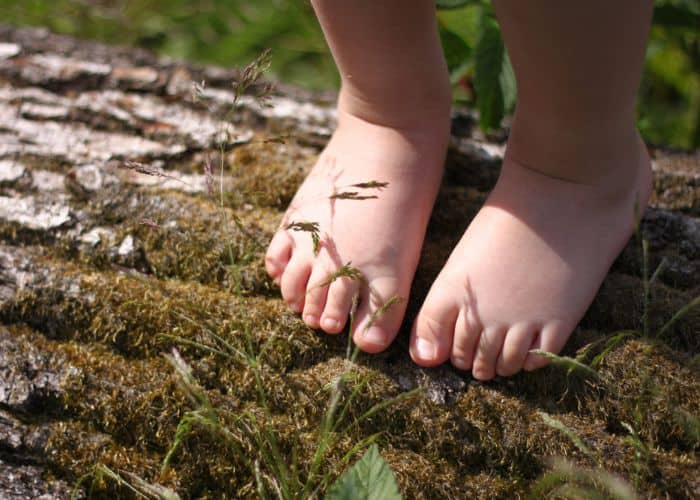
Barefoot Play and Proprioception: Helping Toddlers Understand Their Bodies
One of the biggest benefits of barefoot play is improved proprioception.
Imagine a toddler walking on soft grass, stepping over stones, or standing on a textured surface. Their feet immediately detect changes in pressure and texture, and their body responds by adjusting balance and movement.
This constant feedback helps children develop better control over their bodies.
Proprioceptive development supports everyday activities such as:
- Learning to walk confidently
- Climbing safely
- Running and jumping
- Maintaining posture
- Navigating different environments
Unlike flat indoor surfaces, natural environments provide constant movement challenges that encourage children to adapt.
Weather often limits outdoor barefoot play, but indoor sensory environments can help recreate some of these experiences.
The Role of Sensory Development in Toddler Movement
Toddlers learn through their senses. Touch, movement, and physical exploration all contribute to how they understand the world.
Barefoot play provides rich sensory experiences because the feet are constantly receiving information.
Different surfaces create different sensations:
- Soft grass feels different from sand
- Smooth floors feel different from textured surfaces
- Firm ground feels different from uneven surfaces
These experiences encourage children to explore and develop confidence in their movement.
According to the American Occupational Therapy Association, sensory experiences play an important role in helping children process information from their environment and participate in everyday activities.
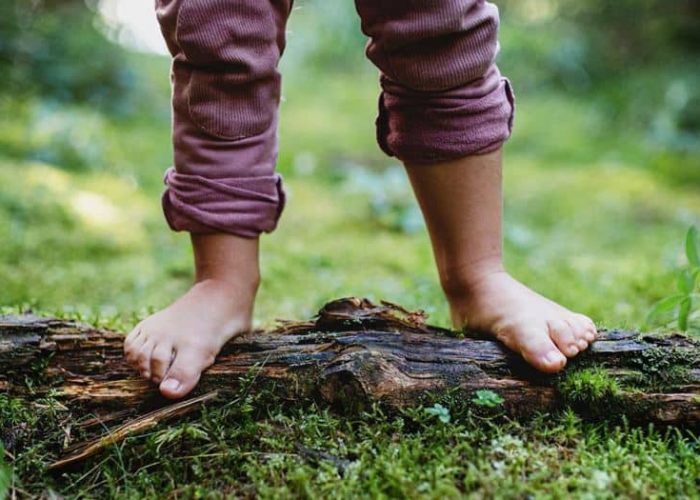
Why Textured Sensory Mats Are a Great Indoor Alternative
Outdoor barefoot exploration is ideal, but it is not always practical.
Rain, cold weather, busy schedules, and limited outdoor space can make it difficult for toddlers to regularly experience different surfaces.
This is where textured sensory mats can provide a valuable alternative.
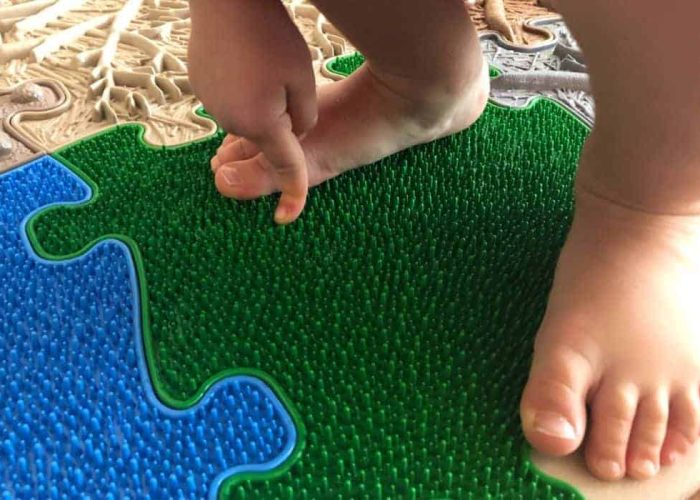
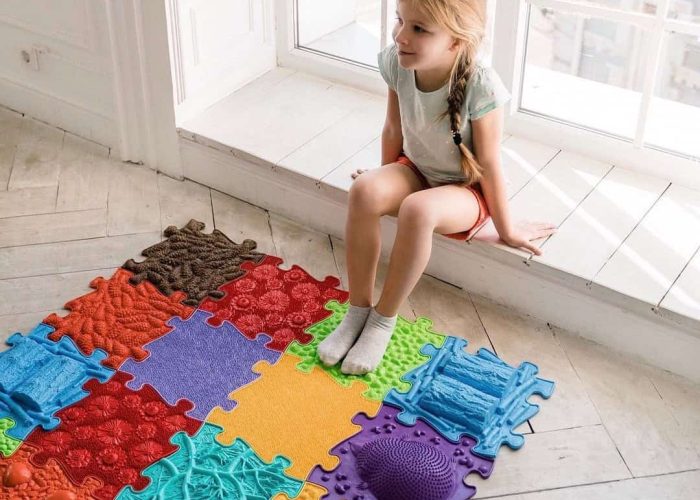
Sensory mats recreate some of the experiences children naturally encounter outdoors by providing different textures and surfaces in a safe indoor environment.
A toddler can:
- Walk across different textures
- Practise balance
- Explore sensations through their feet
- Create movement games
- Develop confidence through play
At Barefootkids, our sensory mats are designed around the principles of natural movement and sensory exploration. They allow children to experience varied textures indoors while supporting balance, coordination, and foot awareness.
Rather than replacing outdoor play, sensory mats complement it by giving children additional opportunities to move and explore throughout the year.
Can Barefoot Play Help Prevent Flat Feet in Toddlers?
Parents often search for flat feet toddler prevention because they want to make sure their child’s feet develop properly.
The reality is that many cases of flat feet in toddlers are completely normal and part of natural growth. There is no need for parents to worry about every variation in foot shape.
However, supporting healthy movement habits from an early age is beneficial.
Barefoot play may help by encouraging:
- Natural foot movement
- Stronger supporting muscles
- Better balance
- Improved body awareness
The aim is not to force a particular foot shape but to allow children’s feet to develop through natural movement and activity.
According to the British Orthopaedic Association , many childhood foot conditions are part of normal development, and assessment is generally focused on symptoms such as pain or difficulty with movement rather than appearance alone.
Barefoot Shoes, Barefoot Play, and Natural Movement
Barefoot play does not mean children should never wear shoes.
Shoes are important for protection, especially outdoors or in environments where feet could be injured.
The goal is to create a balance between protection and natural movement.
When children do wear shoes, many parents choose flexible footwear that allows natural foot movement rather than restricting the feet.
Barefoot time at home, combined with appropriate footwear when needed, can give toddlers the best of both worlds.
Simple Ways to Encourage Barefoot Play at Home
You do not need a large garden or specialist equipment to encourage barefoot movement.
Simple activities can include:
- Walking barefoot on safe indoor surfaces
- Creating a small sensory pathway
- Playing balance games
- Crawling and climbing activities
- Exploring different textures
A sensory play area can become part of everyday routines rather than a separate activity.
Even a few minutes of barefoot exploration each day can provide valuable movement experiences.
Why Barefoot Play Matters at Home?
For many families, regular outdoor barefoot play is not always practical throughout the year. Cold weather, wet conditions, busy schedules, limited outdoor space, or living in urban environments can mean children spend more time indoors.
However, children’s need for movement and sensory exploration does not disappear when outdoor play is limited.
Creating indoor opportunities for barefoot sensory play allows toddlers to continue exploring different textures, practising balance, and developing important movement skills regardless of the season or environment.
This is why products such as sensory mats can be especially useful for families who want to encourage natural movement and sensory exploration at home.
Frequently Asked Questions
Is barefoot play safe for toddlers?
Yes, barefoot play is generally safe in suitable environments where the floor is clean and free from hazards. Parents should always consider the child’s surroundings and supervise younger toddlers.
Does walking barefoot help toddlers develop stronger feet?
Barefoot movement allows children to use their feet more naturally, which can support muscle development, balance, and coordination.
Do toddlers grow out of flat feet?
Many toddlers have flexible flat feet as part of normal development. Their arches often become more noticeable as they grow and their muscles strengthen.
How much barefoot play should toddlers have?
There is no specific required amount of barefoot play. The goal is to provide regular opportunities for safe movement, exploration, and sensory experiences.
Are sensory mats good for toddler development?
Yes. Sensory mats encourage children to explore different textures, practise balance, and develop body awareness through active play.
Final Thoughts
Barefoot play is one of the simplest ways to support a toddler’s natural development.
By allowing children to experience different surfaces, move freely, and explore through their feet, parents can encourage important skills such as balance, coordination, strength, and body awareness.
While children still need appropriate footwear for protection, creating regular opportunities for barefoot movement can be a valuable part of a healthy active childhood.
At Barefootkids, we believe that movement should start from the ground up. Our sensory mats and movement products help families bring the benefits of barefoot exploration indoors, making it easier for toddlers to develop through play every day.
Sources & Further Reading
NHS Start for Life – Child Development and Physical Activity
Royal Children’s Hospital Melbourne – Flat Feet in Children
American Occupational Therapy Association – Sensory Processing and Occupational Therapy
British Orthopaedic Association – Childhood Foot Conditions and Development
American Academy of Pediatrics – Physical Activity and Active Play for Children